 | Read in Browser |
 |
 |
| | Top News 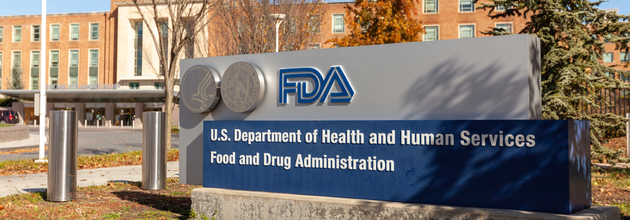 Shutterstock It's official! The FDA has granted full approval for the COVID-19 vaccine developed by Pfizer (PFE) and BioNTech ((BNTX), sending shares of the two companies up 2.5% and nearly 10% on Monday. Stocks as a whole also got a boost from the latest news, which could encourage more jabs for people who are hesitant to get vaccinated. "Many believe that [the approval] will create that much more momentum in vaccine trends, especially in those states and population groups that are lagging," said Joe Amato, chief investment officer at Neuberger Berman.
Backdrop: In December, Pfizer's two-dose regimen became the first COVID-19 shot to receive the emergency use authorization from the FDA. Since then, FDA scientists have evaluated some 340,000 pages of vaccine data - about three times more than Pfizer's application for emergency use - in less than four months (compared to the eight months it typically takes the agency). In total, the shot has gone from development to full approval in less than 18 months, a fraction of the 10-12 years required on average.
"The FDA's approval of this vaccine is a milestone as we continue to battle the COVID-19 pandemic," remarked acting FDA Commissioner Janet Woodcock. "While this and other vaccines have met the FDA's rigorous, scientific standards for emergency use authorization, as the first FDA-approved COVID-19 vaccine, the public can be very confident that this vaccine meets the high standards for safety, effectiveness, and manufacturing quality the FDA requires of an approved product."
Go deeper: According to the agency, the Pfizer-BioNTech COVID-19 vaccine will be available on the market as "Comirnaty" for the prevention of COVID-19 in those aged 16 years and above. However, under the emergency use authorization, the mRNA-based shot will continue to be available for those between 12-15 years and as an additional dose for certain people with impaired immune systems. The two-dose vaccine was also found to be 91% effective in preventing COVID-19, slightly lower than the 95% efficacy rate touted in trial data when the jab was authorized late last year. (312 comments)
| | Trending As the Biden administration debates how to evacuate, vet and settle thousands of Afghan refugees, one company is stepping up to the plate to house those trying to escape: Airbnb (NASDAQ: ABNB). Statement from CEO Brian Chesky: "Starting today, Airbnb will begin housing 20,000 Afghan refugees globally for free. While we will be paying for these stays, we could not do this without the generosity of our Hosts. If you're willing to host a refugee family, reach out and I'll connect you with the right people here to make it happen! The displacement and resettlement of Afghan refugees in the US and elsewhere is one of the biggest humanitarian crises of our time. I hope this inspires other business leaders to do the same. There's no time to waste." The commitment did not specify exactly how much the company plans to spend on the undertaking or how long refugees will be housed for, but the U.S. has evacuated roughly 48,000 people from Afghanistan in recent days (10,400 people were flown out on Monday alone). Thousands more are still trying to escape, fearing retaliation from the Taliban militants that are now in power. Outlook: British Prime Minister Boris Johnson will host an emergency meeting of G7 leaders today to address the chaotic situation in Afghanistan and whether there should be an extension to the proposed American deadline for a complete withdrawal by Aug. 31. While the U.S. does not even know how many more Americans are still in the country, Secretary of State Antony Blinken said he remains committed to the Special Immigrant Visa program and evacuating "translators, interpreters, et cetera." The SIV program is meant to provide a pathway to the U.S. for Afghans who were employed by or worked on behalf of the government, but applicants that can make it on a flight are now being transited through countries like Qatar and Kuwait to finish the process. | | Sponsored By Invesco  For Investors looking for unique and differentiated options, consider becoming an agent of innovation with Invesco QQQ. Learn more. | | New Technology In a new exchange over Twitter, Tesla (NASDAQ: TSLA) CEO Elon Musk called the latest release of his company's experimental driver-assistance software, FSD Beta 9.2, "actually not great." FSD Beta is only available to Tesla employees and some drivers who previously purchased Full Self-Driving capability (or FSD), which costs $10,000 or $199 per month in the U.S. The critical tweet came just days after he touted Tesla's expertise with autonomous systems and related components at an event called Tesla AI Day. Bigger picture: Last week, U.S. car safety regulators opened a probe into Tesla over a more basic iteration of the company's driver-assistance technology called Autopilot. The feature uses cameras and other sensors to help with tasks like maintaining a safe distance from other cars on the highway. Full Self-Driving is intended to provide greater functionality, like the ability to automatically steer on city streets, but that has been a promise that is yet to come to fruition. "Autopilot/AI team is rallying to improve as fast as possible," Musk continued via Twitter. "We're trying to have a single stack for both highway & city streets, but it requires massive NN (neural network) retraining. Just drove FSD Beta 9.3 from Pasadena to LAX. Much improved!" Autonomous car explainer: According to SAE International, formerly named the Society of Automotive Engineers, there are different stages of self-driving capabilities ranging from Level 1 through Level 5. Tesla's FSD Beta is currently no more than a Level 2, where the car can do the steering and acceleration, but the driver must be ready to take the wheel. Going to Level 3 could take years, as systems make decisions based on changing driving situations around the vehicle, while people inside the car do not need to supervise the technology. ( 38 comments) | | Consumer Walmart (WMT) is launching a delivery service for other businesses throughout the U.S. as it looks to gain ground on Amazon.com (AMZN). The program, called Walmart GoLocal, will dispatch workers to merchants' stores to pick up items and then deliver them to shoppers. The new line of business will operate through Walmart's Spark delivery network and comes as sellers scramble to secure deliveries ahead of the all-important holiday shopping season.
Backdrop: Walmart has spent the past half a decade building out its delivery network. In August 2016, it acquired e-commerce startup Jet.com for $3.3B (which was later discontinued, but helped it propel its delivery efforts). In March 2018, Walmart launched its grocery delivery service, and later in February 2020, it launched Walmart Fulfillment Services. Earlier this year, it trialed its first company-branded "last-mile" delivery vans, with a small, electric fleet operating in areas near Walmart's Arkansas headquarters.
GoLocal will be a white-label service, meaning deliveries will not be made by Walmart-branded vehicles. Instead, it will rely on a mixture of associates, gig workers, as well as other delivery companies (there are also plans for self-driving vehicles and drones). Shipping will begin by the end of 2021, and will be priced competitively with two-hour or two-day delivery options.
Go deeper: The new service is an important part of the company's overall strategy, which includes diversifying its revenue streams and profit pools. It has already established a number of contractual agreements with national and enterprise retail clients, and comes weeks after the retailer announced plans to offer technologies and capabilities to help other businesses navigate their own digital transformation. (2 comments)
| | Today's Markets In Asia, Japan +0.9%. Hong Kong +2.5%. China +1.1%. India +0.7%.
In Europe, at midday, London -0.3%. Paris -0.3%. Frankfurt +0.2%.
Futures at 6:20, Dow +0.1%. S&P +0.2%. Nasdaq +0.3%. Crude +1% at $66.29. Gold -0.1% at $1805.40. Bitcoin -1.3% at $49696.
Ten-year Treasury Yield flat at 1.26%
| | Today's Economic Calendar | | | | | | | | Seeking Alpha's Wall Street Breakfast Podcast Seeking Alpha's Wall Street Breakfast podcast brings you all the news you need to know for your market day. Released by 8:00 AM ET each morning, it is a quick listen that you can put on as you get ready to start your working day. | | | | |






EmoticonEmoticon